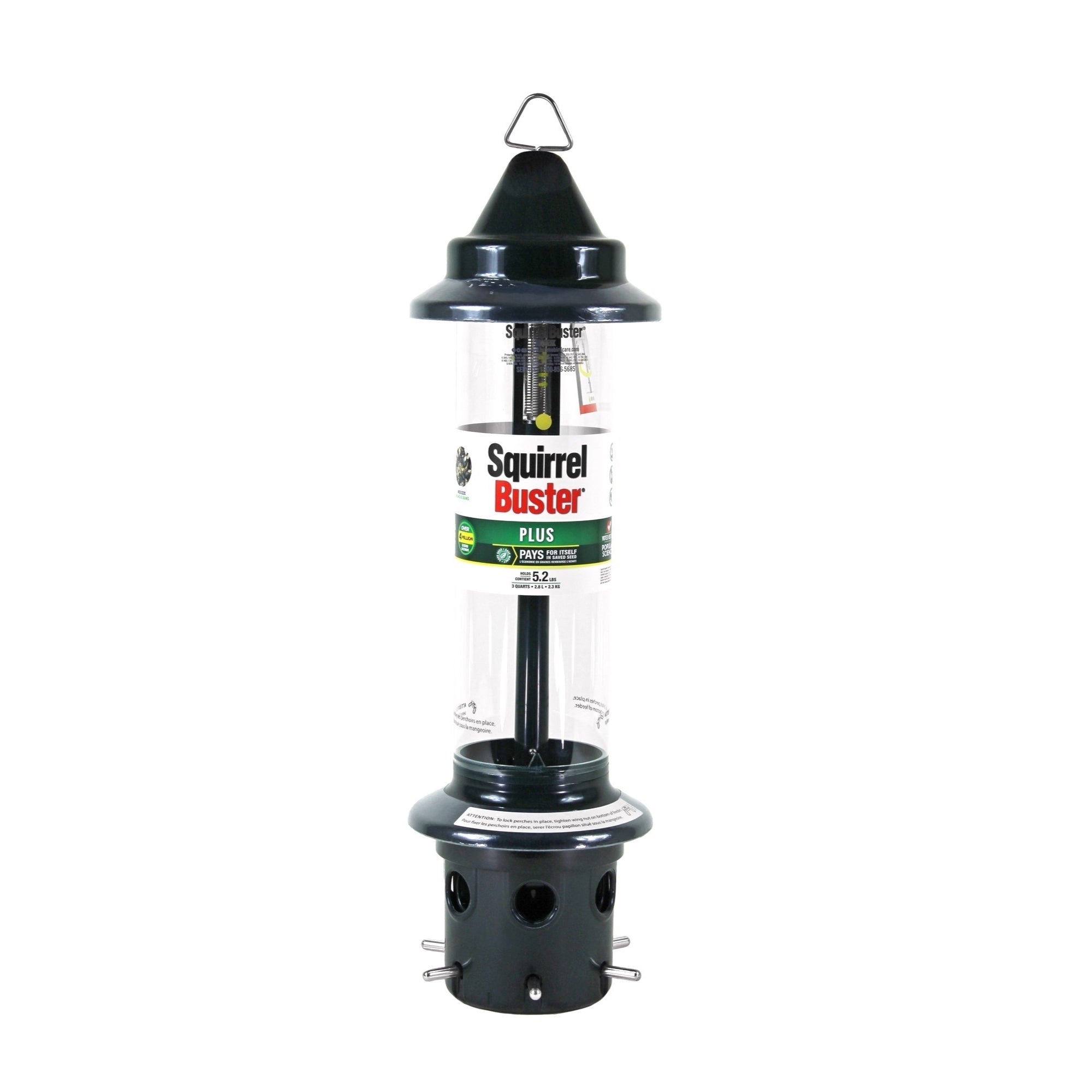
 Feeder
Brome Squirrel Buster Plus
Manufacturer-described detachable components are worth examining for cleaning access; a routine still matters.
See Details & Buy on Amazon
Field Journal · Feeder maintenance
A feeder's capacity or squirrel-resistant features say little about whether its hidden corners can be cleaned. When choosing equipment, look for practical access, a repeatable routine and a yard where feeding will not compound other risks.
A lid that opens quickly is useful, but refilling is only one job. Look at the base, ports and seed tube. Can you safely empty leftover seed, take apart the maker-approved pieces, wash the places birds touch and let the components dry thoroughly before refilling? A design feature is not proof that the owner will maintain it or that it prevents disease.
The Cornell Lab of Ornithology recommends dismantling, cleaning, rinsing and drying feeders and keeping the ground below them clean. Appropriate routines and cleaning methods depend on feeder type and current conditions. Check the exact maker instructions rather than assuming a one-size-fits-all procedure.
Rain, spoiled seed, droppings and changing visitor patterns can increase the work. A large feeder may be harder to manage when its contents stay damp; a smaller one is not automatically safer. Consider whether you can inspect the feeding area, remove waste and clean the actual equipment as local wildlife guidance and weather require.
The U.S. Fish and Wildlife Service discusses feeding as a trade-off involving disease, predators and window collisions. If hazardous glass, outdoor cats, ill birds or neglected food become part of the routine, repositioning, reducing or pausing feeding may make more sense than purchasing another station.
Brome describes tool-free disassembly for its Squirrel Buster Plus. That can help you evaluate cleaning access; it does not establish a measured reduction in infections or prove a feeder never needs attention. A dedicated Songbird Essentials double-ended brush may help reach narrow interior surfaces, but it does not replace emptying, rinsing, drying and inspecting the feeding area.
The two examples below are existing catalog options for different jobs. Product features are attributed to their makers and have not been independently tested by YardBirdLab. Compare suitability, maintenance instructions and the needs of your particular yard before buying.
FeederManufacturer-described detachable components are worth examining for cleaning access; a routine still matters.
See Details & Buy on Amazon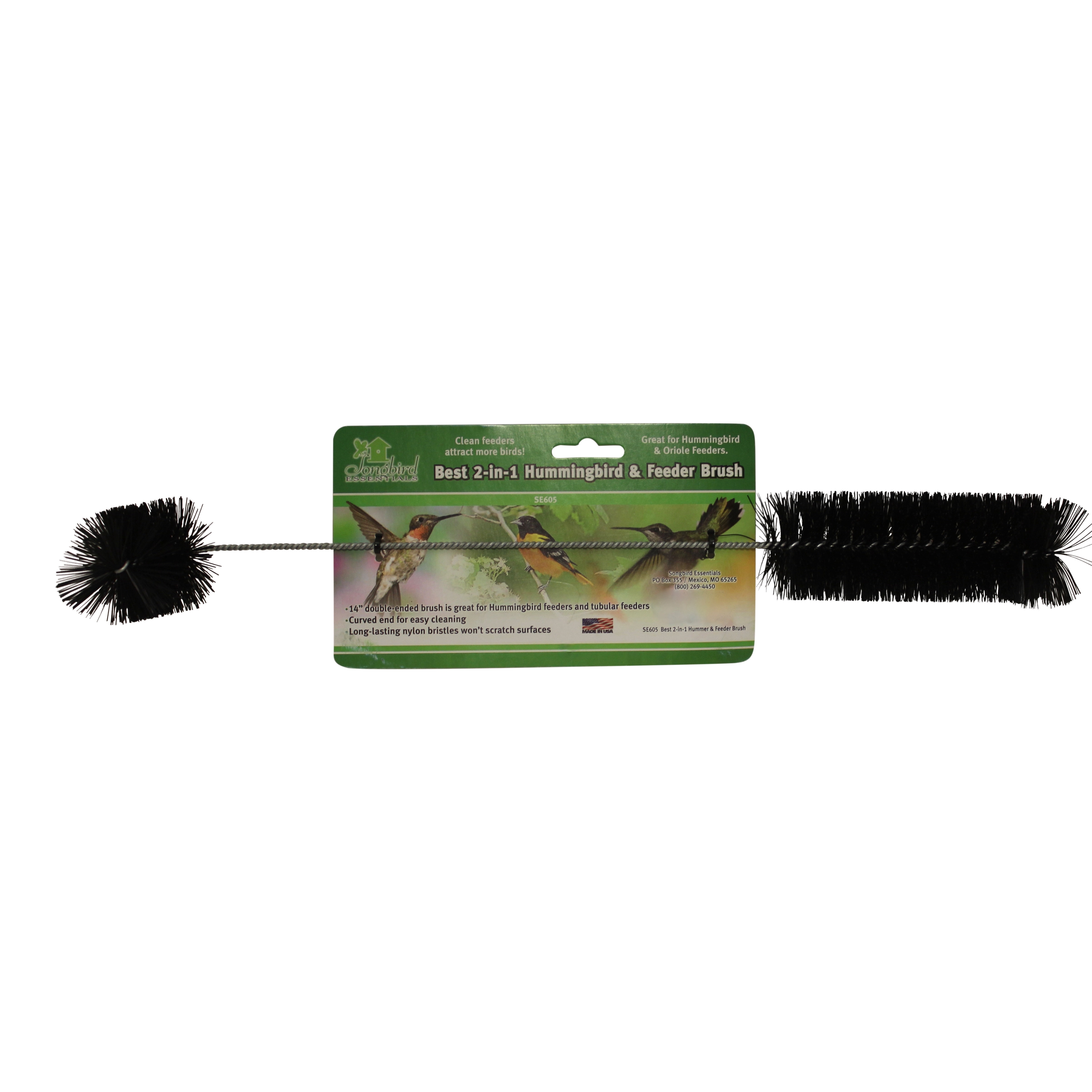 Cleaning
A dedicated brush can help reach feeder surfaces, but it is not a complete cleaning or disinfection procedure.
See Details & Buy on AmazonAs an Amazon Associate, YardBirdLab earns from qualifying purchases.
Before buying a new feeder, ask whether the one you have can be emptied, cleaned, dried and placed away from avoidable glass and predator hazards. If safe upkeep is difficult, take a break from feeding and explore locally native habitat instead. No product is a substitute for watching conditions and updating the setup.
The Feeder Care Guide covers step-by-step upkeep; the Feeder Placement Guide helps check nearby glass, predators and clean-up access; our cleaning-station story shows how to organize supplies; our habitat-first article examines when it makes sense to stop adding equipment. The Bird-Safe Yard Audit helps you review other risks in the yard.