 Cleaning
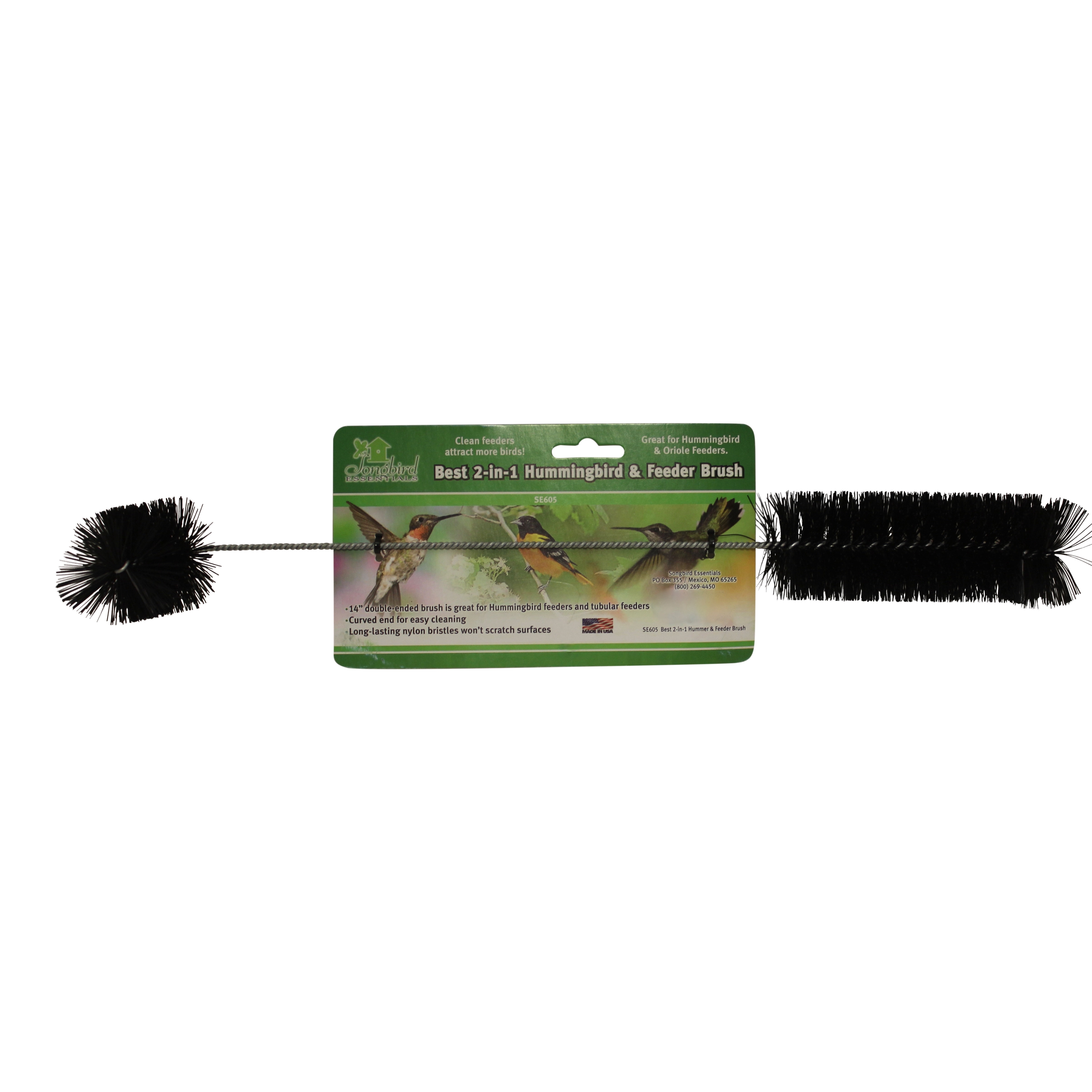
Songbird Essentials Two-in-One Feeder Brush
A dedicated brush option for tube and hummingbird feeders. Keep a feeder-only brush separate from household dish tools.
See Details & Buy on Amazon
Guide 01
The useful question is not “what is the perfect cleaning interval?” It is “what conditions should make me clean sooner?”
A calendar reminder prevents cleaning from becoming an activity you only remember when the feeder looks bad. Cornell Lab guidance recommends regular cleaning and points out that heavy use, wet weather, disease concerns and visibly sick birds should change the routine.
Damp seed and compacted debris are not something to solve by topping off the feeder. Empty spoiled material, clean the feeder, allow it to dry, and restart with fresh seed.
Concentrated hulls, seed and droppings on the ground are part of the feeding station. Include the area below feeders in the maintenance plan rather than treating the hanging feeder as the whole system.
If birds appear sick or local authorities are reporting a disease issue, pause ordinary scheduling and follow current wildlife-agency guidance. Static website advice should not override current outbreak guidance.
CleaningA dedicated brush option for tube and hummingbird feeders. Keep a feeder-only brush separate from household dish tools.
See Details & Buy on Amazon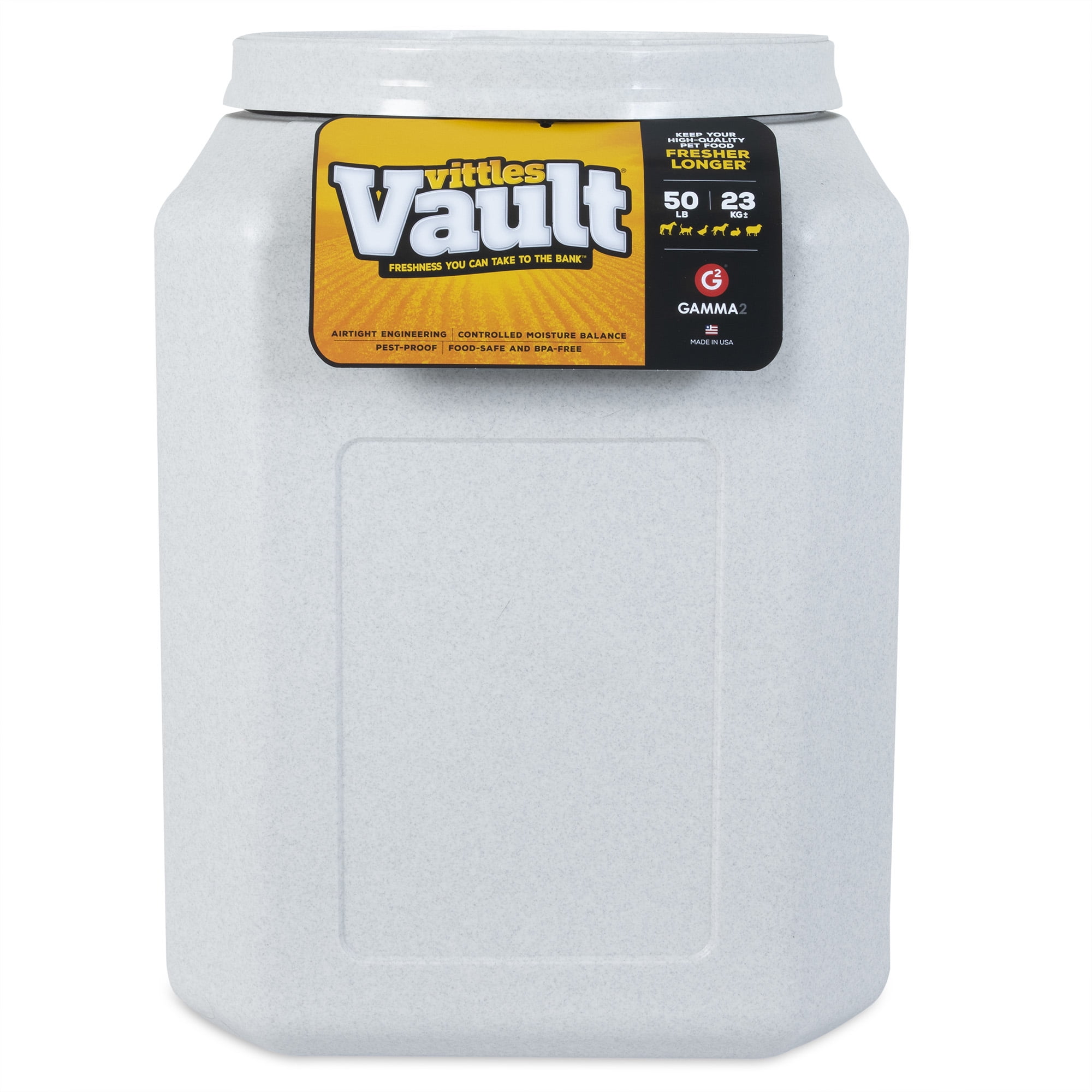 Seed storage
A sealed dry-storage option whose listing specifically includes birdseed among its uses. Dry storage does not make spoiled seed safe; discard damp or moldy seed.
See Details & Buy on AmazonAs an Amazon Associate, YardBirdLab earns from qualifying purchases.