 Feeder
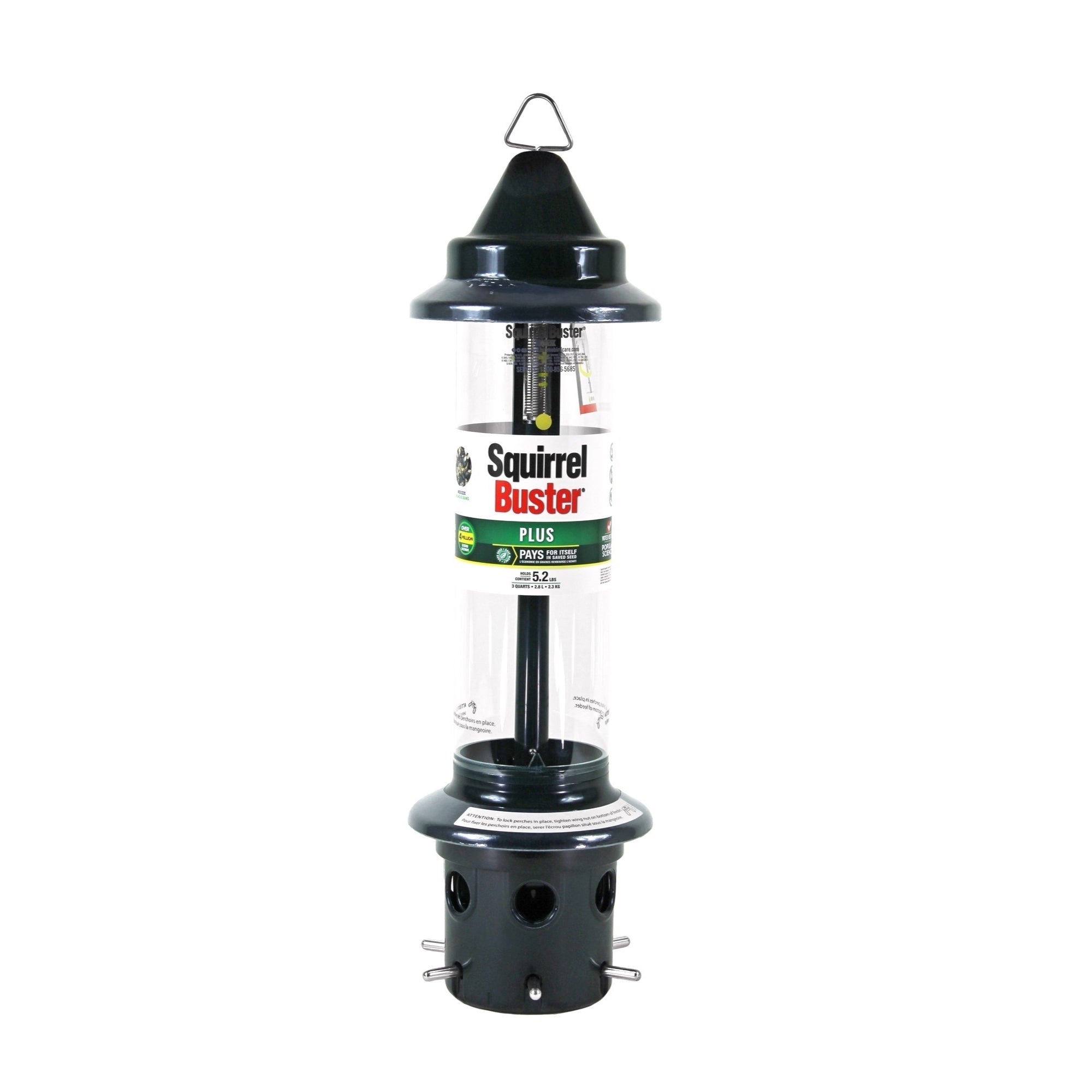
Brome Squirrel Buster Plus
A large-capacity option with a weight-activated shroud and a component system designed for disassembly without tools.
See Details & Buy on Amazon
Guide 03
A convenient feeder location can still be a poor location if it increases collision risk or makes routine cleanup difficult.
U.S. Fish & Wildlife Service guidance discusses placing feeders very close to windows or substantially farther away, rather than leaving birds enough middle-distance flight speed to hit glass hard. Pair distance decisions with exterior window treatment where reflections remain risky.
Choose a spot where you can easily remove spilled seed and hulls. A feeder that is hard to reach or sits over an area you cannot clean tends to create a maintenance problem.
Household cats should not roam feeding areas. Think about where birds land, where predators can hide, and whether the feeding station creates a predictable hunting location.
Leaf cover, sun angle and reflections change over the year. A placement that looked safe in summer can create a different reflection pattern after leaves fall.
Before comparing feeder hardware, consider how easily you can take a model apart and keep the surrounding station clean. Our Field Journal comparison of feeder cleanability explains why access for washing, complete drying and a realistic upkeep routine matter alongside placement.
FeederA large-capacity option with a weight-activated shroud and a component system designed for disassembly without tools.
See Details & Buy on AmazonAs an Amazon Associate, YardBirdLab earns from qualifying purchases.